The Origins of Kratom
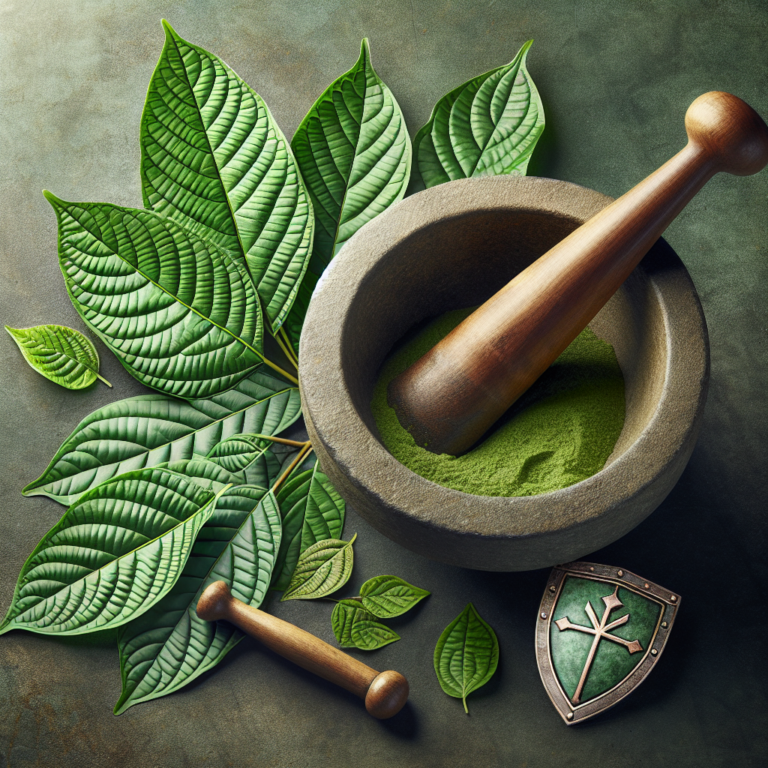
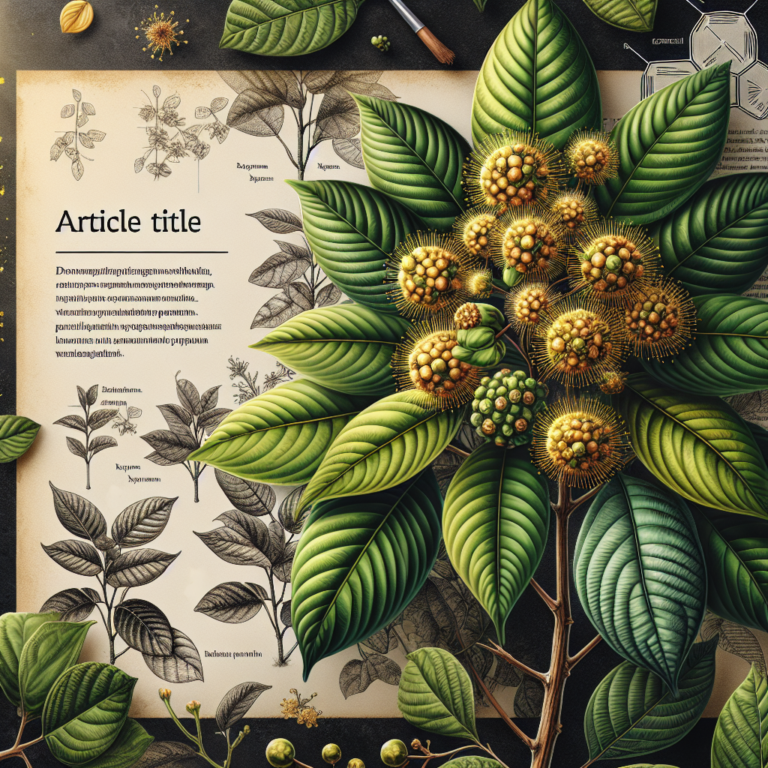
Kratom, scientifically known as Mitragyna speciosa, hails from Southeast Asia. This tropical tree belongs to the coffee family and has been used for centuries in traditional medicine. Indigenous communities in countries like Thailand, Indonesia, and Malaysia have long employed kratom for its stimulating and pain-relieving properties.
In its native regions, people consume kratom leaves in various forms—from chewing fresh leaves to brewing them into tea. These traditional practices highlight its cultural significance, often invoking social gatherings and rituals. The availability of kratom in these parts of the world laid the groundwork for its globalization.
How Kratom Translated Into Modern Use
As globalization accelerated, so did the interest in natural remedies. People globally began seeking alternative solutions to health issues, especially for stress and pain relief. Kratom captured the attention of enthusiasts and researchers alike. The curiosity surrounding its effects and benefits prompted a wave of studies and discussions.
In particular, Western countries looked for holistic alternatives to traditional pharmaceuticals. Kratom’s profile as a natural product made it an appealing option. Its purported benefits included mood enhancement, energy boosts, and relief from chronic pain. This growing awareness helped propel kratom into mainstream conversations, and soon online platforms became buzzing hubs for enthusiasts.
The Rise of Kratom Capsules
Kratom capsules introduced a convenient way to consume the substance. While traditional loose leaf was popular, capsules eliminated the need for brewing or chewing. This convenience appealed to busy individuals seeking quick relief or a health boost without preparation hassle.
The market responded to this demand with a variety of options. Companies began selling kratom capsules in various strains and doses. The ease of storage, dosage accuracy, and portability fueled their popularity. Furthermore, capsules offered a discreet way to consume kratom, which attracted a wider audience.
Types of Kratom Capsules
Kratom capsules come in different strains, each with unique properties. Understanding these strains helps consumers make informed choices. Here’s a quick breakdown of popular kratom strains found in capsule form:
| Strain Name | Effects | Best For |
|---|---|---|
| Maeng Da | Energizing, euphoric | Mood enhancement |
| Red Vein | Relaxing, pain relief | Sleep support |
| Green Malay | Balanced, stimulating | Focus enhancement |
| White Borneo | Uplifting, sociable | Social activities |
| Yellow Malay | Calm, mild stimulation | Stress relief |
Each strain serves specific purposes, allowing users to tailor their experience. For instance, Maeng Da is especially popular for daytime energy, while Red Vein is favored for evening relaxation.
How Kratom Capsules Became a Global Trend
A combination of factors contributed to the global rise of kratom capsules. The internet played a pivotal role in disseminating information. Social media platforms allowed users to share experiences and benefits. This sharing created vibrant communities around kratom usage.
Moreover, the growing distrust of pharmaceutical options also fueled interest. Many looked for natural alternatives to manage pain, anxiety, and depression. As users began sharing their success stories, kratom capsules found a dedicated following. They quickly transformed into a trendy choice among health enthusiasts.
The Role of E-commerce
The age of e-commerce expanded the reach of kratom products significantly. Online retailers began to emerge, offering various strains and dosage options. This surge in availability made kratom accessible to a global audience.
Customers could now easily compare strains, read reviews, and place orders with just a few clicks. This convenience sparked a sales boom. Increased market competition also led to better quality products. As companies aimed to distinguish themselves, they focused on sourcing high-quality kratom, enhancing consumer confidence.
The Science Behind Kratom
Understanding the effects of kratom involves exploring its active compounds, primarily mitragynine and 7-hydroxymitragynine. These alkaloids interact with the brain’s opioid receptors, producing effects varying from mild stimulation to pain relief. While kratom does have psychoactive properties, it differs from traditional opioids, primarily due to its originating plant.
Research into kratom is still evolving. While many users report positive experiences, scientific studies examining long-term effects are limited. This uncertainty often leads to stigma and mixed perceptions. Nonetheless, several users advocate for kratom’s potential, emphasizing its role as a natural remedy.
Potential Benefits of Kratom Capsules
Kratom capsules offer several potential benefits, making them appealing to users dealing with various issues:
- Pain Relief: Many users find kratom effective for managing chronic pain, reducing reliance on pharmaceutical painkillers.
- Enhanced Mood: The stimulating effects of specific strains can lift spirits and promote overall well-being.
- Energy Boost: Many opt for kratom as a natural pick-me-up, increasing productivity without the jitters from caffeine.
- Anxiety Management: Some find relief from anxiety symptoms, creating a sense of calm without sedation.
While these benefits attract users, it’s essential to approach kratom with caution. Individual reactions can vary, and what works for one person might not work for another.
Challenges and Controversies
As kratom grew in popularity, so did the controversies surrounding it. Various health organizations and regulatory bodies began raising concerns about potential risks. Some argue that kratom may lead to dependence, addiction, or adverse side effects. These discussions sparked debates within communities and prompted consumers to research kratom thoroughly.
Additionally, inconsistent quality and sourcing practices create skepticism. Not all kratom is created equal; the source may impact its efficacy and safety. With no widespread regulatory oversight, some users face challenges in identifying reliable suppliers. This has led many to advocate for quality standardization and improved safety regulations.
The Legal Landscape
Kratom legality varies around the world. In some countries, it remains unregulated or legal, while in others, it faces bans. In the U.S., the situation varies by state: some states permit sale and use, while others have enacted restrictions. This patchwork of laws creates confusion for consumers and businesses alike.
To navigate this landscape, potential users should stay informed about local regulations. Awareness can help prevent unintended legal troubles and ensure responsible usage.
Perspectives from Users
Real-life testimonials from kratom users provide insight into its popularity. For many, kratom has been a game changer, offering moments of relief and positivity. Whether dealing with chronic pain, anxiety, or simply seeking energy, users share transformative stories.
On platforms like Reddit, users exchange notes on strains, dosage, and personal experiences. These discussions often emphasize the importance of careful dosing and sourcing. Ultimately, listening to community feedback provides valuable guidance to newcomers.
Cautionary Tales
While many celebrate kratom, some caution against its use. A few individuals report adverse reactions, raising concerns about potential dependence. Such stories emphasize the need for informed decision-making. Users must carefully observe how their bodies react and be cautious about long-term usage.
Approaching kratom with an open mind requires balancing enthusiasm with responsibility. This awareness fosters a sensible outlook as the community continues to evolve.
The Future of Kratom Capsules
The future of kratom capsules appears promising but uncertain. As research continues to unfold, there’s potential for increased acceptance. The expanding interest in natural remedies and holistic health provides an encouraging backdrop.
Emerging trends could focus on additional forms of consumption. Innovative products may include infused beverages, edibles, or enhanced capsules targeting specific issues. As companies continue to invest in product development, consumers can anticipate a broader selection of high-quality options.
Encouraging Responsible Use
As kratom gains notoriety, education remains paramount. Advocating for responsible consumption and quality sourcing promotes a safer user experience. Identifying reputable suppliers and understanding strain differences equips users to make informed choices.
A supportive community can further enhance positive experiences. By sharing knowledge, individuals can help each other navigate the complexities of kratom usage.
Conclusion
Kratom capsules have surged in popularity, evolving into a global trend. Their swift ascent stems from cultural roots, modern convenience, and rising health consciousness. Users around the world appreciate their potential benefits, leading to vibrant discussions and communities.
However, the journey of kratom continues to be intricate, filled with challenges and uncertainties. As more individuals explore this natural remedy, staying informed and responsible is crucial. This awareness will pave the way for a more comprehensive understanding of kratom and its place in modern wellness.
Frequently Asked Questions
-
What is kratom used for?
Kratom is often used for pain relief, mood enhancement, energy boosts, and anxiety management. -
Are kratom capsules safe to use?
While many users report positive experiences, kratom may lead to side effects or dependence for some. Always consider personal tolerance and consult a healthcare professional. -
How should I take kratom capsules?
Follow the recommended dosage on the product label. Start with a lower dose to gauge your body’s response. -
What are the different strains of kratom?
Common strains include Maeng Da, Red Vein, Green Malay, White Borneo, and Yellow Malay, each offering unique effects. -
Is kratom legal everywhere?
Kratom’s legality varies by country and state. Always check local regulations to ensure compliance. -
Can kratom interact with other medications?
Kratom may interact with certain medications. Consult a healthcare professional before combining kratom with other substances. -
How can I find quality kratom?
Research reputable suppliers, read reviews, and look for transparency regarding sourcing and testing practices. -
Does kratom cause addiction?
Some users may develop a dependence on kratom. It’s essential to monitor usage and consult professionals if concerned. -
What are the side effects of kratom?
Potential side effects include nausea, dizziness, and dry mouth. Adverse effects vary by individual. -
Can I mix kratom with other substances?
Mixing kratom with other substances can be risky. Always consult a healthcare professional before combining any substances.
References
Feel free to adjust any references or content to better suit your style or needs!
About the Author