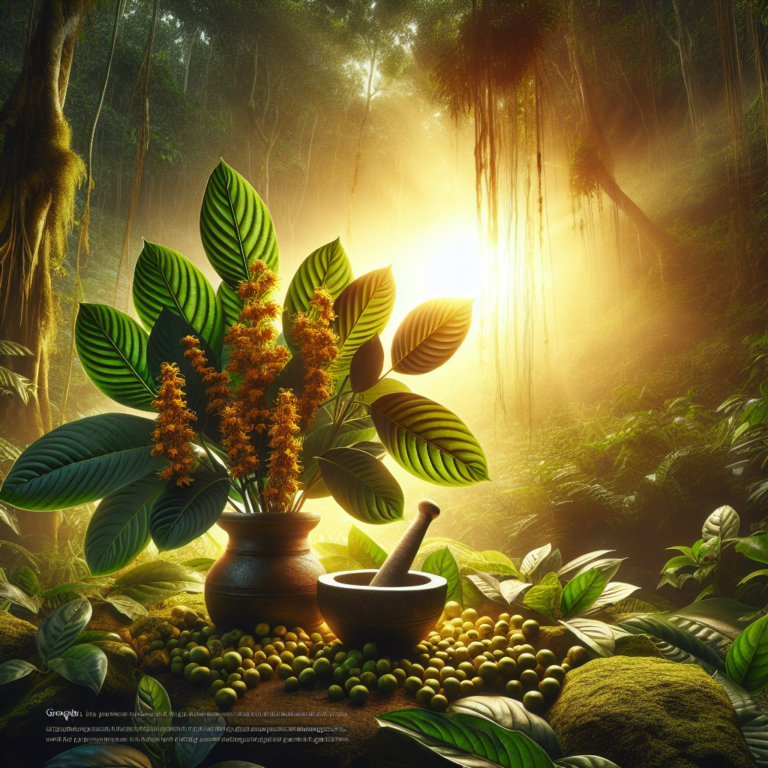
Understanding Kratom: What You Need to Know
Kratom, or Mitragyna speciosa, is a tropical tree native to Southeast Asia. It’s known for its leaves, which people use for their unique stimulant and sedative effects. Over the last few years, kratom has gained popularity in Western countries, especially among those seeking natural remedies for pain and anxiety. This growing interest raises questions, particularly about how to consume this herb.
Among the many methods of preparation, brewing kratom tea is the most common. However, a question often arises: can kratom be brewed in cold water? This question leads us on a journey to explore kratom brewing methods, the impact of temperature, and how cold-water brewing stacks up against hot brewing.
What Happens When You Brew Kratom?
Brewing kratom involves extracting its active compounds, primarily mitragynine and 7-hydroxymitragynine. These compounds govern kratom’s effects, ranging from pain relief to mood enhancement. When you brew kratom, you’re making these compounds more bioavailable, or easier for your body to absorb.
Active Compounds Explained
- Mitragynine: This alkaloid has stimulating effects at low doses and sedative effects at higher doses. It can help ease pain and provide a mood boost.
- 7-Hydroxymitragynine: This is more potent than mitragynine and is said to produce stronger pain-relieving effects.
Hot water extraction tends to release these compounds more efficiently compared to cold water extraction. But does that mean cold water brewing is out of the question?
The Cold Water Brewing Process
Cold brewing involves steeping kratom powder or leaves in cold water, typically over a longer period. This method allows the flavors and compounds of kratom to infuse into the water, albeit less efficiently than hot brewing.
Steps for Cold Brewing Kratom
- Choose Your Kratom: Start with high-quality kratom powder or leaves. The strain you select will affect the flavor and effects.
- Measure: Use about 2-4 grams of kratom powder per cup of cold water. Adjust according to your tolerance level.
- Combine: Mix the kratom and cold water in a jar or pitcher.
- Steep: Let it sit in the fridge for 8-12 hours. This longer steep time helps extract the alkaloids effectively.
- Strain: Use a fine mesh strainer or a coffee filter to separate the liquid from the powder.
Tips for Enhanced Flavor
Cold brewing may yield a milder taste. Here are some tips to enhance the flavor:
- Add lemon or lime juice for a citrus twist.
- Sweeten it with honey or agave syrup.
- Include mint leaves for a refreshing finish.
Advantages and Disadvantages of Cold Brewing
Cold brewing has its pros and cons compared to its hot counterpart. Understanding these can help you decide which method suits you best.
Advantages of Cold Brewing
- Milder Taste: Cold brewing often results in a smoother tea, making it more palatable for some users.
- Preservation of Alkaloids: Some theorists suggest that cold brewing might preserve sensitive compounds that hot water could break down.
- Convenience: It’s straightforward and can be prepared overnight.
Disadvantages of Cold Brewing
- Lower Extraction Efficiency: Cold water extracts fewer active compounds, which may result in milder effects.
- Longer Preparation Time: The need for an extended steep time might not suit everyone’s schedule.
- Less Immediate Satisfaction: If you’re used to the quick effects of hot tea, cold brewing may feel less rewarding.
Comparing Hot Water and Cold Water Brewing
When deciding between hot and cold brewing kratom, consider the following table for a quick reference:
| Aspect | Hot Brewing | Cold Brewing |
|---|---|---|
| Extraction Efficiency | Higher | Lower |
| Preparation Time | 30 minutes to 1 hour | 8-12 hours |
| Taste | Stronger, bolder flavors | Milder, smoother flavors |
| Potency | Generally more potent | Generally less potent |
| Preparation Method | Quick and easy | Requires more patience |
Factors Influencing Cold Brewing Success
Several variables can impact the effectiveness of cold brewing kratom. These include water temperature, steep time, and kratom quality.
Water Temperature
Water temperature plays a significant role in the extraction process. For cold brewing, even though the water is cold, a slight increase in temperature can enhance alkaloid extraction. Using room temperature water instead of ice-cold water can yield better results.
Steeping Time
The length of time you steep your kratom directly affects the potency and flavor. Quality kratom usually benefits from longer steeping times, especially when using cold water. Therefore, patience is essential for the best results.
Quality of Kratom
The type and quality of kratom also significantly influence the effectiveness of both brewing methods. Organically grown and fresh kratom tends to yield superior results. Be sure to source your kratom from reputable suppliers.
Best Strains for Cold Brewing
Not all kratom strains are created equal. Some might be better suited for cold brewing than others. Here are a few strains to consider:
1. Green Malay
Known for its balanced effects, Green Malay offers energy and mild pain relief. Its flavor profile is also pleasant, making it a great choice for cold brewing.
2. White Borneo
Famous for its uplifting properties, White Borneo works well in cold water. Users appreciate its smoother taste in cold tea.
3. Red Bali
If you’re seeking relaxation, Red Bali is your go-to. Its rich flavor complements the mildness of cold brewing.
Tips for Storing Cold Brewed Kratom
Once your cold-brewed kratom tea is ready, proper storage is crucial. Here’s how to keep it fresh:
- Refrigerate: Always store your cold brew in the refrigerator. This keeps it fresh and helps preserve the alkaloids.
- Limit Exposure: Use an airtight container to reduce oxidation.
- Consume Within a Week: For the best taste and potency, try to consume your brewed tea within a week.
Possible Side Effects and Precautions
While many enjoy kratom’s benefits, it also has potential side effects. Understanding these can help you use it responsibly.
Common Side Effects
- Nausea: Some users report nausea, particularly with higher doses.
- Dizziness: The stimulating effects can sometimes lead to dizziness or lightheadedness.
- Dependency: Prolonged use may lead to dependency. Users should approach kratom with caution.
Precautionary Measures
- Start Small: If you’re new to kratom, begin with a low dose and gradually increase it.
- Research Strains: Different strains have varying effects. Understand what you’re consuming.
- Consult a Professional: If you have pre-existing health issues, consult a healthcare professional before using kratom.
The Community Perspective on Cold Brewing
The kratom community is diverse and vibrant, with many people sharing their brewing experiences online. Discussions often focus on preferred methods and the effects different brewing techniques have.
What Users Are Saying
Many kratom enthusiasts have shared their experiences with cold brewing. Some find it a refreshing alternative, while others prefer the more potent effects of hot brewing. User reviews suggest that cold brewing can still provide a satisfying experience, especially in warmer weather.
Popular Trends in Brewing
Social media platforms and forums have sparked trends around cold brewing, incorporating flavors like ginger and turmeric for added health benefits. Users recommend experimenting with different ingredients to customize their brews.
Conclusion: Is Cold Brewing Right for You?
Cold brewing kratom tea is a viable option, though it may offer a milder experience. The lower potency and smoother flavor can be appealing, especially during hotter months. Ultimately, the choice between hot and cold brewing comes down to personal preference and your desired effects.
If you’re looking to try something new or enjoy kratom in a more refreshing way, give cold brewing a shot. Just remember to choose quality kratom and follow the right brewing techniques for the best results.
Frequently Asked Questions (FAQs)
-
Can I mix kratom with other herbal teas?
Yes, many people mix kratom with herbal teas for added flavor and effects. Herbal ingredients like ginger or chamomile can complement kratom well. -
What’s the best water type for brewing kratom?
Filtered or bottled water is preferred, as tap water may contain impurities that alter the flavor. -
Is it safe to cold brew kratom for long periods?
Cold brewing in the refrigerator for up to a week is safe. However, longer storage can affect flavor and potency. -
Can I use kratom capsules for cold brewing?
Capsules can be used, but the powder inside must be released into the water. It’s often more effective to use loose kratom powder. -
Are there any age restrictions for using kratom?
Most places recommend that individuals be 18 or older, but regulations vary by location. -
How can I tell if my kratom is high quality?
Look for vibrant colors and a fine texture. Checking for third-party lab tests can also confirm its quality. -
Can cold brewed kratom help with sleep?
Some users find certain strains, like Red Bali, effective for sleep, but effects vary among individuals. -
What’s the shelf life of kratom?
Properly stored kratom can last up to one year, but keeping it in a cool, dark place will extend its potency. -
Can I sweeten cold-brewed kratom?
Yes, adding natural sweeteners like honey or agave syrup can improve taste without detracting from the effects. -
Is it legal to buy kratom?
Kratom legality varies by region. Always check local laws and regulations before purchasing.
References
- Kratom Benefits and Risks
- Kratom: A Comprehensive Guide
- Brew Techniques: Hot vs. Cold
- Reputable Kratom Vendors
- User Testimonials on Kratom Brewing
Feel free to adjust any sections, add more details, or focus on specific aspects that are most relevant to your target audience.
About the Author