Understanding Kratom: What Is It?
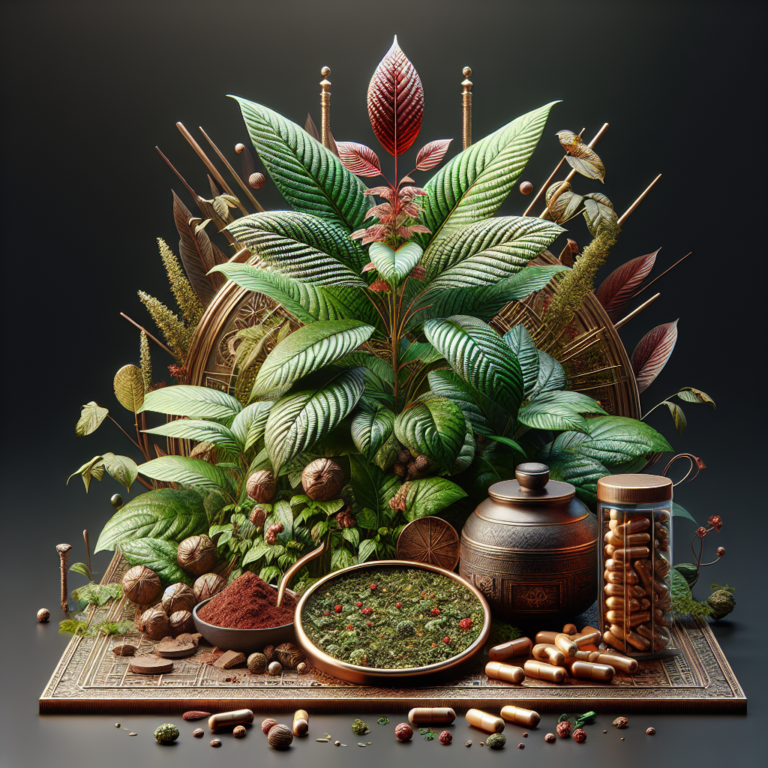
Kratom, scientifically known as Mitragyna speciosa, is a tropical tree native to Southeast Asia. Traditionally, locals used its leaves for centuries. They chewed them for their energizing effects, especially during physically demanding tasks. The leaves contain compounds that affect the brain’s receptors, producing a range of effects, from stimulation to relaxation.
Over the years, kratom has gained popularity in Western countries. Many users seek it for pain relief, mood enhancement, or even as a substitute for opioids. However, its impact on sleep and dreams is a topic of much discussion.
The Relationship Between Kratom and Dreams
When it comes to sleep, factors that influence our dreams include stress, anxiety, and the substances we consume. Kratom can certainly impact your sleep patterns. Many users report changes in their dream activities, leading to questions about whether kratom causes vivid dreams.
Some people claim that using kratom enhances their dream experiences. Others say it alters their dreams altogether. The variations depend on several factors, including the strain used, dosage, and individual body chemistry.
How Kratom Works in the Body
Kratom exerts its effects primarily through two active compounds: mitragynine and 7-hydroxymitragynine. These compounds interact with opioid receptors in the brain, influencing sensations, mood, and cognition. This interaction can lead to increased energy or sedation, depending on the dose and strain of kratom consumed.
For example, low doses often result in stimulation and enhanced focus. On the other hand, higher doses may lead to sedation and relaxation. This dynamic is pivotal when considering how kratom affects sleep cycles and dream production.
The Science Behind Vivid Dreams
Vivid dreams are often associated with REM (Rapid Eye Movement) sleep. This sleep stage is crucial for emotional processing and memory consolidation. Various factors, like sleep quality and substance use, can affect how deeply we enter REM sleep.
When you take substances that alter brain chemistry, such as kratom, it may also affect your REM sleep. Some users report experiencing more intense or memorable dreams after regular kratom use. These dreams may feel more vivid or surreal compared to dreams when not using kratom.
Kratom Strains and Their Effects
Different kratom strains have distinctive effects, which may influence dream experiences. Generally, strains fall into three categories: red, green, and white, each known for its unique properties.
Red Strains
Red strains, such as Red Bali or Red Maeng Da, are known for their calming effects. They may help with relaxation and pain relief. Since these strains tend to promote sedation, some users believe they can lead to more vivid dream experiences due to deeper REM sleep.
Green Strains
Green strains, such as Green Malay or Green Horn, provide a balanced effect. They may slightly energize you while still offering a sense of calm. Users report that these strains generate dreams that are both vivid and insightful.
White Strains
White strains like White Borneo or White Maeng Da tend to produce stimulating effects. Although they energize you, they might interfere with sleep quality, leading to less time spent in REM sleep and potentially fewer vivid dreams.
| Strain Type | Effects | Example Strains |
|---|---|---|
| Red | Sedation and relaxation | Red Bali, Red Maeng Da |
| Green | Balanced stimulation | Green Malay, Green Horn |
| White | Increased energy | White Borneo, White Maeng Da |
User Experiences with Dreams and Kratom
Many kratom users share their experiences about how the herb affects their dreams. Some proudly recount tales of heightened dream intensity, lucidity, and even prophetic dreams after consuming kratom. For them, this aspect adds an intriguing dimension to the kratom experience.
Conversely, some individuals report nightmares or unsettling dreams. The effects can vary significantly from person to person. While one user enjoys elaborate dream narratives, another may struggle with anxiety-laden dreams after kratom use.
The Role of Dosage
Dosage plays a crucial role in determining how kratom affects sleep and dreaming. Low dosages of kratom often lead to invigorating effects. As mentioned earlier, higher dosages bring about sedation. This sedation is critical when it comes to dream experiences.
Users reporting vivid dreams typically consume moderate amounts. Too little may not be sufficient to influence REM sleep, and too much may cause users to sleep too deeply, reducing the chances of recalling dreams at all.
The Importance of Sleep Hygiene
While kratom may influence your dreamy landscape, good sleep hygiene is equally essential. Proper sleep hygiene involves creating an ideal environment for sleep:
- Routine: Establish a consistent sleep schedule. Going to bed and waking up at the same times helps regulate your internal clock.
- Environment: Create a dark, quiet space with a comfortable temperature. Darkness encourages melatonin production, enhancing sleep quality.
- Limit screens: Reduce exposure to screens before bedtime. Blue light can disrupt melatonin production and affect sleep cycles.
- Relaxation techniques: Engage in calming activities, such as reading or meditation, before bed.
Potential Side Effects of Kratom
Despite its benefits, kratom can have side effects. Some include nausea, constipation, and dry mouth. Moreover, users may experience mood swings or sleep disturbances. These side effects can affect overall well-being and impact dream quality.
Severe cases can lead to dependence or withdrawal symptoms. Users should approach kratom cautiously, considering their physical and emotional health when experimenting.
Kratom and Sleep Disorders
For individuals with sleep disorders, kratom may provide some relief. Users have noted that it eases insomnia or anxiety-related sleep issues. However, the effects vary among users. Some individuals find that kratom helps them fall asleep, leading to vivid dreams, while others struggle with disrupted sleep.
Consulting a healthcare professional about using kratom for sleep-related purposes is essential, especially for those with pre-existing conditions.
Warnings and Legal Status
The legal status of kratom varies globally. In some places, it remains unregulated, while others classify it as an illegal substance. Staying informed about local laws is essential if you consider using kratom.
Furthermore, while anecdotal evidence supports kratom’s uses, scientific research remains limited. Consult a healthcare provider for personalized guidance.
Conclusion
Kratom significantly influences dream experiences. Many users report heightened vivid dreams and interesting narratives after using it. However, individual experiences vary widely, depending on strain, dosage, and personal factors.
Approaching kratom with caution is vital. If you’re considering it as a supplement for sleep enhancement or dream exploration, it’s wise to consult a healthcare professional. The journey into kratom and its impact on dreams is personal, filled with discoveries waiting to be made.
FAQs
1. Can kratom help with insomnia?
Some users report relief from insomnia but effects vary widely. It’s best to consult a healthcare provider.
2. Does the strain of kratom affect dreams?
Yes, different strains can significantly influence the quality and vividness of dreams.
3. Is kratom addictive?
Kratom can lead to dependence in some users, especially with high-frequency use. Moderation is vital.
4. What is the safest dosage for beginners?
Beginners should start with a low dose, typically 2-5 grams, and monitor effects closely.
5. Can kratom interact with medications?
Yes, kratom can interact with various medications. Consult your doctor before starting.
6. Why do some people have nightmares after using kratom?
Nightmares may occur due to changes in sleep quality or increased anxiety. Individual reactions vary.
7. Is there scientific research on kratom’s effects on dreams?
Research is limited, and most information is anecdotal. More scientific studies are needed for definitive answers.
8. Can I combine kratom with other substances?
Combining kratom with other substances can be risky. Always consult a professional before combining.
9. How long do kratom effects last?
Effects generally last 4-6 hours, depending on the strain and dosage.
10. Is kratom legal everywhere?
No, kratom’s legal status varies by country and state. Check local regulations before using it.
References
- National Institute on Drug Abuse. (2021). Kratom. Retrieved from NIDA Website
- The American Kratom Association. (2022). Kratom: Myths vs. Facts. Retrieved from AKA Website
- Babu KM, FrHI, et al. (2008). Kratom: A Review of the Botanical, Effects and Safety. Retrieved from ScienceDirect
- Hemby SE, et al. (2019). Pharmacology of Kratom and Its Constituents: A Bioinformatics Perspective. Retrieved from PubMed
About the Author