Understanding Kratom: An Overview
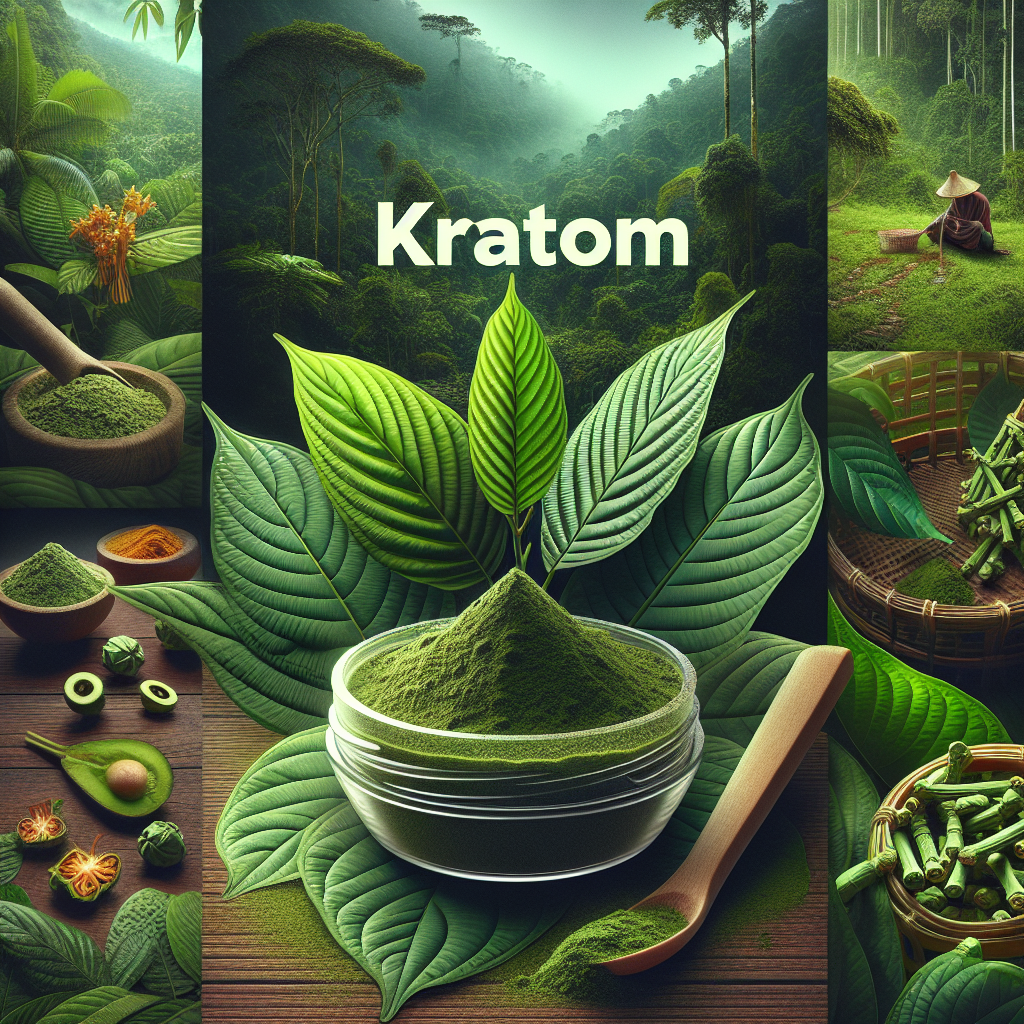
Kratom, a tropical tree native to Southeast Asia, has gained popularity in recent years. Derived from the leaves of the Mitragyna speciosa plant, kratom acts on the body’s opioid receptors. This interaction may lead users to seek the substance for various reasons, including pain relief, mood enhancement, and social interaction. But how effective is it for improving social interaction? Let’s explore this intriguing question.
Kratom comes in several strains, each offering varying effects. Some strains boost energy and alertness, while others promote relaxation and calmness. Users often attribute heightened sociability to the effects of certain kratom strains. Understanding how these effects might influence social interaction is essential for anyone considering its use.
Though anecdotal evidence abounds, scientific research remains limited. This article will analyze kratom’s potential benefits for social interaction, its risks, and what users need to consider.
How Kratom Works
The Science Behind Kratom’s Effects
Kratom leaves contain two primary compounds: mitragynine and 7-hydroxymitragynine. These compounds interact with the brain’s opioid receptors. Depending on the strain and dosage, users may experience varied effects. Lower doses often provide stimulation, while higher doses generally lead to sedation.
Mitragynine is known for its stimulant properties at lower doses. This aspect may enhance focus and energy, making social interactions feel less daunting. Conversely, at higher doses, users may experience a sense of calm, which can ease anxiety. This duality allows for nuanced effects based on individual needs and situations.
Many people report improved mood and reduced social anxiety after using kratom. This outcome may stem from its impact on serotonin and dopamine levels. Enhanced mood can, in turn, facilitate smoother interactions with others.
Factors Influencing Kratom’s Effects
Several factors can influence how kratom affects an individual. These include:
- Strain Type: Different strains induce different effects. Some strains promote energy, while others favor relaxation.
- Dosage: The amount consumed significantly alters outcomes. A small dose may invigorate, while a larger dose could sedate.
- Individual Body Chemistry: Each person’s body reacts uniquely to kratom. Factors like metabolism, tolerance, and weight play a role.
- Setting: Where you consume kratom can affect its impact. A familiar, comfortable environment may amplify positive feelings.
Being aware of these factors can help users choose the right strain and dosage to foster social interactions effectively.
Potential Benefits of Kratom for Social Interaction
Easing Social Anxiety
One of the primary reasons individuals turn to kratom is its potential to alleviate social anxiety. Many users swear by kratom’s ability to mitigate feelings of nervousness in social settings. This calming effect can empower people to engage more readily in conversations.
A user might experience a sense of warmth and connection with others after taking kratom. This approach can be especially helpful for introverts who find social situations challenging. By reducing anxiety, kratom can encourage meaningful connections and build confidence.
Boosting Confidence
In social settings, confidence plays a crucial role. Kratom may enhance confidence by positively affecting mood and energy levels. When users feel good, they are more likely to engage with others, participate in discussions, and share their thoughts.
The stimulant properties of certain kratom strains can make a person feel more alert and energized. This boost in energy often leads to a more enthusiastic participation in social gatherings. Users frequently report feeling more engaged and animated in social environments after kratom use.
The Risks of Using Kratom
Potential Side Effects
While many users report positive social interactions under the influence of kratom, it’s essential to acknowledge potential side effects. Common risks include:
- Nausea: Some users may experience digestive issues.
- Addiction: Regular use can lead to dependence and withdrawal symptoms.
- Mood Swings: Emotional fluctuations are possible, particularly in high doses.
Understanding the risks is vital to making an informed decision. Moderation and awareness can help mitigate many of these adverse effects.
Legal and Health Considerations
Kratom’s legality varies by country and state. In some places, it’s classified as a controlled substance due to concerns over safety and potential addiction. Before using kratom, individuals should research local laws and regulations.
Additionally, those with existing health conditions or on medications should consult a healthcare provider. Interactions can occur, potentially leading to increased health risks.
Choosing the Right Kratom Strain
Popular Strains for Social Interaction
Selecting the right kratom strain can enhance its social benefits. Here are a few popular strains known for their effects on social interaction:
| Strain Name | Effect | Best Use |
|---|---|---|
| White Vein | Energizing, Social | Daytime and social gatherings |
| Green Vein | Balanced, Comfortable | General use and social comfort |
| Red Vein | Relaxing, Calm | Evening relaxation and stress relief |
Each strain provides unique benefits, so experimenting cautiously can help users find what works best for them.
Tips for First-Time Users
- Start Small: Low doses can help gauge individual reactions.
- Choose the Right Setting: Ensure a comfortable environment for initial use.
- Hydrate: Staying hydrated can minimize side effects.
- Avoid Mixing: Using kratom with alcohol or other substances can lead to unpredictable effects.
Taking these steps can help users maximize the positive aspects of kratom while minimizing risks.
Interpersonal Dynamics and Kratom
Enhancing Communication
Kratom’s mood-enhancing effects can lead to smoother conversations. Users often find themselves more open and expressive, making communication more effortless. This openness can lead to deeper connections and collaborative discussions.
Many find they can articulate their thoughts and feelings better after using kratom. This benefit can make a significant difference, especially in professional settings or group discussions.
Building Relationships
Social interactions are often the foundation of personal and professional relationships. By reducing anxiety and boosting confidence, kratom can facilitate new friendships and strengthen existing bonds. Many users attribute their improved social lives to their kratom use.
Attending social events might feel less intimidating, opening doors to new opportunities. Kratom may serve as a social lubricant, allowing individuals to mingle more freely.
Addressing Concerns and Misconceptions
Common Misunderstandings
Many misconceptions exist surrounding kratom. Some individuals view it solely as a recreational drug, ignoring its potential benefits. However, when used responsibly, kratom can enhance social experiences without leading to negative outcomes.
Another concern is addiction. While kratom has addictive potential, many users can enjoy it recreationally without developing dependence. Awareness and moderation are crucial in this aspect.
Responsible Use
Responsible use is vital for anyone considering kratom. This approach includes understanding one’s body, starting with small doses, and being mindful of frequency. Setting personal boundaries can significantly enhance the positive effects of kratom while minimizing risks.
Education is also important. The more individuals learn, the better decisions they can make. Staying informed about the latest research and personal experiences can guide responsible use.
Conclusion: Is Kratom Right for You?
Kratom can potentially foster improved social interaction, particularly for those dealing with anxiety or low confidence. Its impact varies from person to person, influenced by factors like strain selection, dosage, and individual reactions.
While kratom shows promise for enhancing social experiences, understanding the associated risks is essential. Users should weigh the benefits against the potential for side effects and dependency.
If you’re considering kratom, research thoroughly and consult with healthcare providers when necessary. Starting with the right mindset and intention can lead to a more enjoyable social life.
FAQs
-
What is kratom?
Kratom is a tropical tree whose leaves can produce stimulant and sedative effects when consumed. -
Can kratom help with anxiety?
Some users report reduced anxiety and improved mood after using kratom, but results can vary widely. -
Are there side effects to kratom?
Common side effects include nausea, mood swings, and potential for addiction. -
How do I choose the right kratom strain?
Consider effects like energy boost or relaxation. Popular strains include white, green, and red veined kratom. -
Is kratom safe to use?
While many find it beneficial, kratom carries risks. It’s crucial to use it responsibly and consult a healthcare provider. -
What dosage should I start with?
Beginners should consider starting with a low dose to evaluate their individual response. -
Can kratom be addictive?
Yes, regular use can lead to dependence for some individuals, so moderation is key. -
How long do kratom effects last?
Effects can last from 2 to 5 hours, depending on the dose and strain. -
Is kratom legal everywhere?
No, kratom legality varies by country and state. Research local regulations before use. -
Where can I find reliable kratom products?
Look for reputable suppliers who provide lab testing and transparency about their sourcing.
References
- https://www.ncbi.nlm.nih.gov/pmc/articles/PMC5447463/
- https://www.healthline.com/health/what-is-kratom
- https://www.forbes.com/health/body/what-is-kratom/
- https://www.drugabuse.gov/publications/research-reports/kratom
This comprehensive overview should offer valuable insights for anyone curious about kratom’s effects on social interaction. Remember that responsible usage is key to ensuring a positive experience.
About the Author