What Is Malay Kratom?
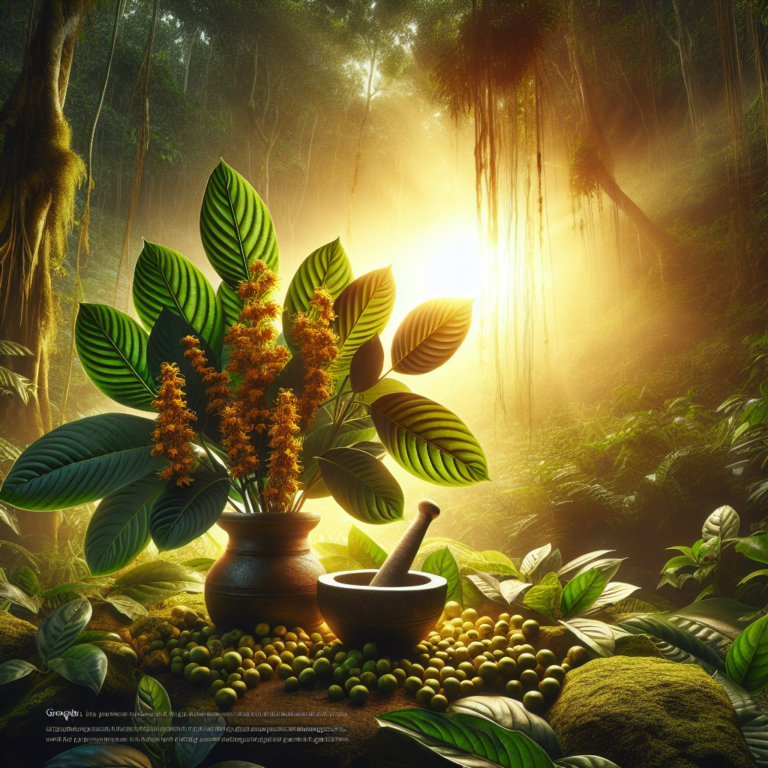
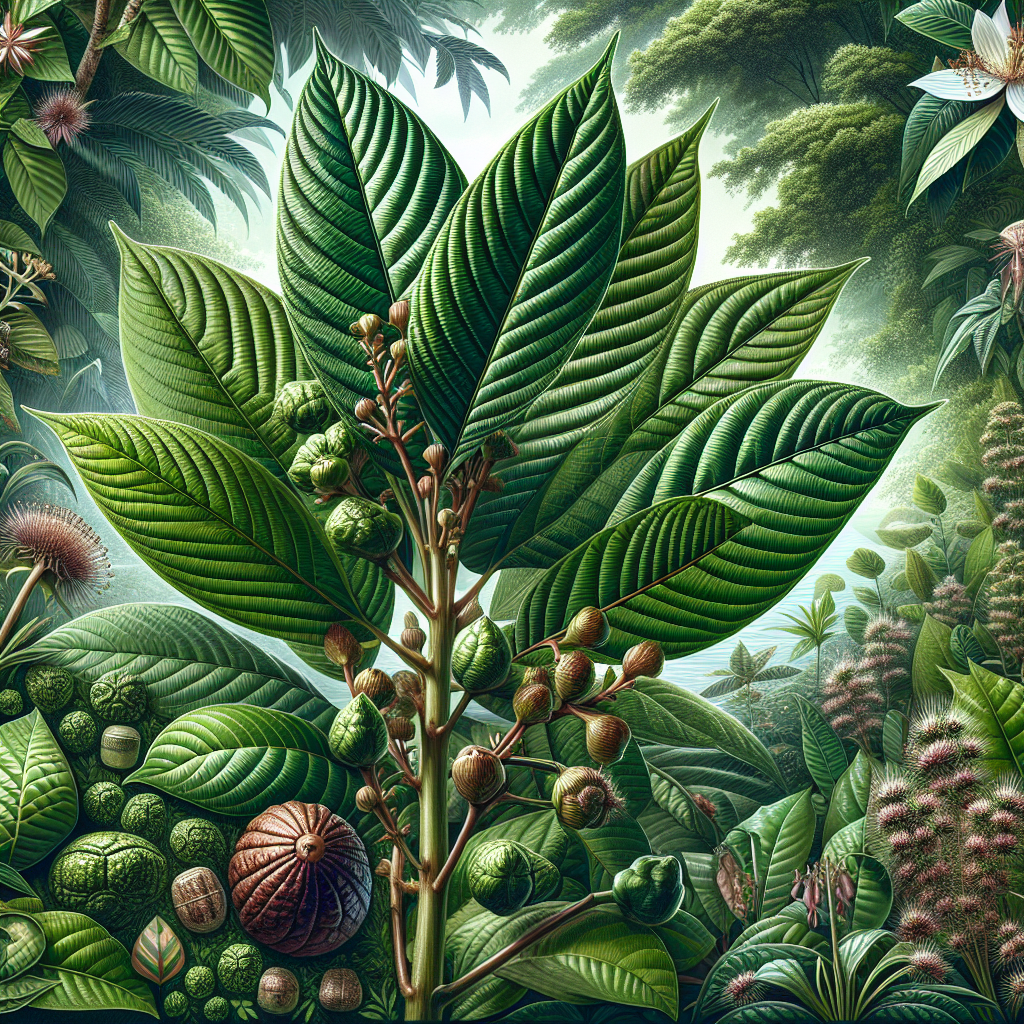
Malay kratom, scientifically known as Mitragyna speciosa, originates from the lush rainforests of Malaysia. Known for its unique alkaloid profile, it has gained popularity among kratom enthusiasts. This natural herbal product has varying effects based on its stain, potency, and the method of consumption. The unique properties of Malay kratom stem from the rich biodiversity of its native habitat.
Kratom traditionally serves as a means of pain relief and mood enhancement. The leaves offer various benefits, making them sought after in herbal medicine. Notably, the effects of Malay kratom differ significantly from those of other strains like Thai or Bali kratom. Understanding how it’s harvested helps appreciate its quality and efficacy.
The Ideal Growth Conditions for Malay Kratom
Kratom thrives in tropical climates, making Malaysia the perfect environment. The rich, humid air and consistent rainfall provide an ideal setting for kratom trees to flourish. They typically grow in well-draining soil rich in nutrients.
Climate and Soil Conditions
- Temperature: Consistent temperatures between 75°F to 95°F are ideal for kratom growth.
- Rainfall: Heavy rainfall throughout the year ensures the plants remain hydrated.
- Soil Type: Loamy or clay-rich soils provide the necessary nutrients for healthy growth.
The natural ecosystem is critical for the plant’s alkaloid content. These enriching conditions contribute to Malay kratom’s unique qualities.
Cultivation Practices
Farmers often plant kratom trees in shaded areas to protect young saplings from harsh sunlight. This method enables them to develop a robust root system. Over time, the trees can grow to about 80 feet tall, offering abundant leaves for harvesting.
Beyond ensuring proper growth conditions, farmers often practice organic farming methods. These methods include avoiding chemicals and pesticides, which can harm the plant’s alkaloid profile. This organic approach improves both sustainability and product quality.
Harvesting Malay Kratom
Harvesting techniques play a vital role in determining the quality of Malay kratom. Well-timed harvesting can significantly affect the alkaloid content within the leaves. Farmers observe several indicators to know when it’s time to harvest.
Timing the Harvest
Typically, the best time to harvest kratom leaves is in the late afternoon. This timing allows for higher alkaloid concentrations. Leaf maturity is another key factor; fully mature leaves yield the richest alkaloid profile.
The Harvesting Process
Farmers meticulously handpick leaves using simple tools like sharp knives or shears. This selective method ensures they only take the healthiest leaves. For a single tree, harvesting can produce about 1 to 2 kilograms of leaves per session.
Here are the basic steps for harvesting Malay kratom:
- Equipment Preparation: Farmers prepare their tools and ensure they are sharp to avoid damaging the plants.
- Leaf Selection: They choose mature leaves, typically those that are fully expanded and vibrant in color.
- Cutting the Stems: Using careful techniques, they cut leaves close to the stem while avoiding the overall health of the tree.
- Collection: Freshly harvested leaves are collected in baskets for processing.
Hand-picking is labor-intensive but ensures quality control. Farmers pay careful attention to the health of each kratom tree to ensure sustainable harvesting.
Processing the Leaves
Once harvested, the leaves undergo various processing techniques to enhance their quality and usability. Proper processing is crucial to maintain the potency of the alkaloids and preserve freshness.
Drying Techniques
Proper drying is essential for the preservation of kratom. Generally, there are two common methods:
- Sun Drying: Leaves are spread out in the sun for several days. This method can enhance the flavor but risks losing some alkaloids if overexposed.
- Shade Drying: This method involves keeping the harvested leaves in a shaded area. Shade drying typically preserves the alkaloid content better than sun drying.
The choice of drying technique can significantly impact the final product. Each method offers unique benefits and challenges, affecting color, texture, and potency.
Grinding the Leaves
After drying, farmers grind the leaves into a fine powder. This powdered form is how many consumers prefer to consume kratom, as it improves absorption.
The grinding process typically follows these steps:
- Cleaning: Ensure all debris and stems are removed from the dried leaves.
- Grinding: Use traditional stone grinders or modern electric mills for efficiency.
- Sifting: Sift the powder to achieve uniformity in texture and particle size.
Proper grinding ensures users receive consistent quality and potency in their kratom.
Types of Malay Kratom
Different strains of Malay kratom exist, each offering distinct effects. The alkaloid profile can vary based on the specific harvesting and processing methods used. Let’s explore some common varieties.
Red Vein Malay
This variant is known for its relaxing properties. Users often seek it for stress relief and sedation. The red vein indicates higher concentrations of 7-hydroxymitragynine, a powerful alkaloid.
Green Vein Malay
Green vein kratom strikes a balance between stimulation and relaxation. Users often report enhanced mood and energy while maintaining a sense of calm. This makes it a popular choice for daytime use.
White Vein Malay
Known for its stimulating effects, white vein Malay kratom is often chosen for its energy-boosting properties. Users typically consume it in the morning as an alternative to coffee.
Understanding the varying effects of these strains can guide users in choosing the right one for their needs.
The Future of Malay Kratom Harvesting
In recent years, there has been significant attention on kratom within the herbal health community. As demand rises, sustainable practices become increasingly important.
Sustainable Practices
Farmers are now focusing on organic farming techniques and reforestation. These practices not only preserve the environment but also ensure a future supply of high-quality kratom. By adopting sustainable methods, farmers safeguard the ecosystem while meeting global demand.
Challenges and Regulations
Despite its benefits, kratom faces challenges in the form of regulatory scrutiny. Governments in various countries have implemented bans or restrictions on kratom sales. This can complicate the harvesting process and pose challenges for farmers.
Educating consumers about the safe use of kratom is essential for fostering a positive image. As more research emerges, regulations may evolve, benefiting both users and farmers.
Frequently Asked Questions
1. What is the best strain of Malay kratom for beginners?
The Green Vein Malay is ideal for newcomers. It offers a balanced experience, providing both energy and relaxation without overwhelming effects.
2. How can I tell if my kratom is high-quality?
High-quality kratom is often a rich green or brown color and has a fine texture. Ensure you source from reputable suppliers who provide lab testing.
3. Is kratom addictive?
Studies suggest that kratom has a low potential for addiction. However, some individuals may develop a dependence if used excessively.
4. How much kratom should I take?
Dosage varies based on experience and the strain. Beginners should start with 1–2 grams and assess their tolerance before increasing the dose.
5. How long does the effect of Malay kratom last?
Generally, effects can last between 4 to 6 hours. However, this may vary based on the strain and individual metabolism.
6. Can I use kratom with other substances?
Mixing kratom with other substances can be risky. Always consult a healthcare professional before combining kratom with medications or other drugs.
7. Where can I buy high-quality Malay kratom?
Reputable online vendors are usually the best source for high-quality kratom. Look for vendors with positive reviews and transparency about their sourcing methods.
8. What are the potential side effects of kratom?
Common side effects can include nausea, dizziness, and itchiness. Users should monitor their reactions and adjust their doses accordingly.
9. Is kratom legal in all states?
Kratom legality varies by location. Always check your local laws before purchasing or using kratom.
10. How should I store kratom to maintain freshness?
Keep kratom in an airtight container, away from light and moisture. A cool, dry place is best for preserving its quality.
References
By understanding how Malay kratom is harvested and processed, you can appreciate its journey from tree to consumer. With awareness and responsible use, it can yield significant benefits while ensuring sustainable practices for the future.
About the Author