Understanding Kratom: Is It a Banned Substance Anywhere?
Kratom, a tropical tree native to Southeast Asia, has gained increased attention in recent years. With its leaves containing compounds that can have psychoactive effects, kratom has been used for both medicinal and recreational purposes. However, its legal status varies by country, state, and even local jurisdictions. In this article, we’ll explore the nuances surrounding kratom’s legality, its classification as a substance, and the implications of its use.
What is Kratom?
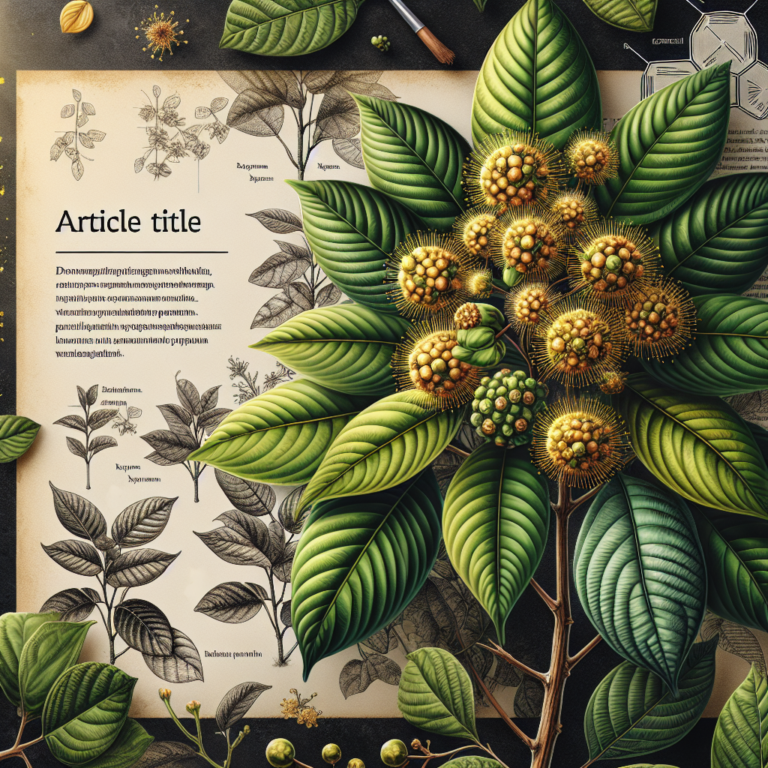
Kratom (Mitragyna speciosa) belongs to the coffee family. Traditionally, people in countries like Thailand, Malaysia, and Indonesia have used it for its stimulant and sedative effects. Users often consume kratom tea, capsules, or powders derived from the tree’s leaves. The primary compounds in kratom are mitragynine and 7-hydroxymitragynine. These substances interact with opioid receptors, which can lead to both pain relief and mood elevation.
Kratom’s effects vary significantly based on dosage. Low doses tend to be stimulating, while higher doses can produce sedative effects. Despite its use in traditional medicine, kratom has sparked controversy due to its potential for addiction and side effects.
The Global Perspective on Kratom Legality
While kratom enjoys some popularity, its legal status is anything but straightforward. Different countries have adopted diverse approaches, reflecting varying cultural attitudes toward its use. In some places, kratom is fully legal, while in others, it faces outright bans.
Countries like Canada and the United Kingdom have largely embraced a permissive stance on kratom. Nevertheless, in places such as Australia, the substance is classified as a controlled drug. The intricacies of these regulations highlight the ongoing debate surrounding the safety and efficacy of kratom.
Countries Where Kratom is Banned
Several countries have implemented outright bans on kratom. This list includes:
- Australia: Kratom is classified as a Schedule 9 substance, making it illegal to possess or sell.
- Malaysia: The government has made kratom illegal, labeling it as a narcotic.
- Thailand: While kratom was once legal, the country imposed a ban that lasted several decades. In 2021, Thailand began to relax its laws but tightly regulates kratom use still.
- New Zealand: Kratom is classified as a controlled substance, limiting its availability.
- Sweden: The country has banned kratom due to health concerns.
The bans often stem from concerns about safety, potential addiction, and the lack of reliable research to support kratom’s purported benefits.
The United States and Kratom Regulations
In the United States, kratom exists in a gray area. While it has not been federally banned, the Food and Drug Administration (FDA) has expressed strong opposition to its use. Some states have taken measures to regulate or outlaw kratom altogether.
States with Bans on Kratom
Several states have enacted bans or regulations similar to those in other countries. Notably, these include:
- Alabama: Kratom is illegal, classified as a controlled substance.
- Arkansas: The state has banned the sale and use of kratom.
- Indiana: Kratom is classified as a synthetic drug and is illegal.
- Rhode Island: The state has banned the sale and use of kratom.
- Vermont: Kratom is prohibited under state law.
These state-level regulations can confuse consumers, especially those interested in using kratom for therapeutic purposes.
The Harsh Reality: FDA and Kratom
The FDA has launched several statements against kratom, citing health risks and lack of sufficient scientific research on its safety. They argue that kratom can lead to addiction and other severe side effects, including seizures and liver damage. Their stance has fueled a nationwide conversation about kratom’s place in herbal medicine.
Despite the FDA’s position, a growing number of users advocate kratom as an alternative to traditional painkillers. Advocates often highlight kratom’s potential benefits, such as pain relief or improved mood. However, the lack of oversight makes users vulnerable to products with inconsistent quality.
Recent Developments
The movement to regulate rather than ban kratom has gained traction across different states. Organizations like the American Kratom Association (AKA) have started campaigns to create responsible regulations. Their goal is to ensure product safety and bolster consumer confidence.
In 2022, several states began legislation aimed at permitting kratom sales under regulated conditions. These efforts demonstrate that kratom may not disappear anytime soon, even if the FDA continues to call for its ban.
The Research Landscape
Research on kratom is limited, but the existing studies present mixed results. Some researchers have found potential therapeutic benefits, while others underscore the health risks. The inconsistency of findings epitomizes the need for more extensive research.
Benefits of Kratom
Some proponents highlight the following potential benefits:
- Pain Management: Users often report relief from chronic pain, making it an appealing alternative to opioids.
- Anxiety Relief: Some individuals find kratom helps to reduce anxiety and improve mood.
- Energy Boost: Low doses may provide a stimulating effect, improving focus and productivity.
Risks of Kratom
On the flip side, several risks have been associated with kratom use:
- Addiction: There is potential for dependence, leading to withdrawal symptoms.
- Side Effects: Users may experience nausea, dizziness, and even hallucinations in some cases.
- Lack of Regulation: Unregulated products might contain harmful additives, making it challenging to determine safety.
Public Opinion and Media Coverage
Media coverage has played an essential role in shaping public perceptions of kratom. Articles and news stories often paint a vivid picture of its dual nature—both as a miracle herb and as a dangerous drug. This sensationalism can lead to misinformation and heightened fear, confusing potential users.
Public opinion on kratom is also polarized. Some see it as a viable alternative to opioids, while others support stricter regulations. Advocacy groups work tirelessly to promote awareness about safe consumption and the complexities of kratom-use.
FAQs about Kratom and its Legal Status
1. Is kratom legal in the United States?
Kratom is legal at the federal level but banned in some states. Always check local laws.
2. Can kratom lead to addiction?
Yes, there’s potential for dependence. Users can experience withdrawal symptoms if they stop suddenly.
3. What are the side effects of using kratom?
Common side effects include nausea, vomiting, dizziness, and potential mood swings.
4. Is there any research supporting kratom’s benefits?
Current research shows mixed results. Some studies suggest benefits, while others point to health risks.
5. Why has the FDA opposed kratom?
The FDA cites health risks and a lack of scientific evidence to support kratom’s safety.
6. Can kratom interact with other medications?
Yes, it can interact with certain medications. Consult a healthcare provider before use.
7. Are there safe ways to use kratom?
Using kratom from reputable suppliers and monitoring dosages can help mitigate risks.
8. Are there legal risks to importing kratom?
Yes, importing kratom can lead to legal issues depending on state laws.
9. How can I find quality kratom products?
Look for suppliers that provide third-party testing and transparency in their sourcing.
10. What’s the future of kratom legislation?
The landscape is evolving, with more states considering regulations. The debate over its safety and efficacy continues.
Conclusion
Kratom remains a contentious issue both scientifically and legally. While some users swear by its therapeutic effects, others face the consequences of its potential risks. As research continues and legal frameworks evolve, the future of kratom remains uncertain. Always approach this substance with awareness and caution.
References
- American Kratom Association
- FDA on Kratom
- Kratom Research Articles
- Legal Status of Kratom in Different Countries
- Kratom Risks and Benefits
By keeping abreast of the shifting legal landscape and remaining informed, you can navigate the complexities of kratom use responsibly.
About the Author