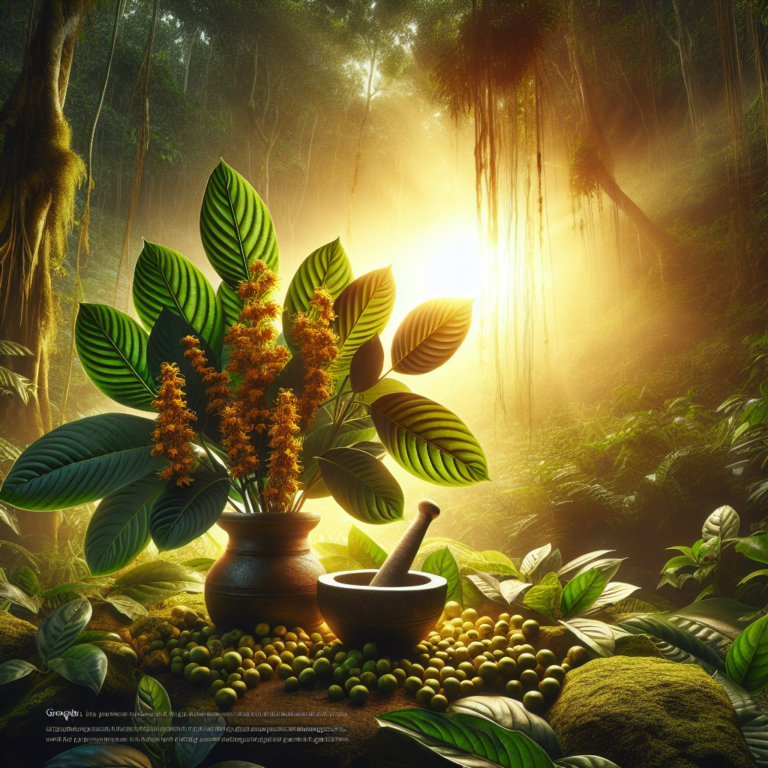
Kratom has become a hot topic in recent years, garnering attention for its unique properties and potential benefits. As a tropical tree native to Southeast Asia, especially in countries like Indonesia, Malaysia, and Thailand, kratom has slowly found its way into the global market. This blog post unpacks the question: is kratom taken worldwide?
The Origins of Kratom
Kratom (Mitragyna speciosa) belongs to the coffee family. Its leaves possess natural compounds that have attracted a broad range of users. Traditionally, local populations have utilized this plant for centuries. They often chewed the leaves for energy, pain relief, or even to enhance mood.
In Southeast Asia, the use of kratom is deeply woven into cultural practices. Farmers have used it as a natural stimulant during long working hours. Interestingly, the leaves can also help with fatigue and physical discomfort. Thus, kratom holds significant social and historical importance in the regions where it grows.
The Growing Popularity in Western Countries
As the 21st century progressed, kratom shifted from local use to global curiosity. Western countries began to notice its potential benefits. In the United States, for example, the use of kratom exploded in popularity during the last decade. Many consumers are drawn to its pain-relieving properties, as well as its ability to enhance mood and energy.
Today, kratom is widely available in various forms, including powders, capsules, and teas. Online retailers make it easy for anyone to access the product. This broad availability is a key factor in its growing acceptance. However, the narrative around kratom isn’t solely positive, as debate and concern are also part of the landscape.
The Legal Status of Kratom Worldwide
Kratom’s legal status varies significantly across the globe. In some countries, it is entirely legal and freely available. For instance, in Thailand, where the plant originates, authorities have begun to regulate its use rather than prohibit it entirely. This move has helped elevate its status from ‘illegal’ to a controlled substance.
Conversely, several countries, including Australia, Canada, and New Zealand, have banned kratom entirely. In the United States, it sits in a gray area. While not classified as a controlled substance on a federal level, several states have outlawed its use. The legal landscape is ever-changing, so anyone interested in kratom should stay informed.
Table: Legal Status of Kratom in Select Countries
| Country | Legal Status |
|---|---|
| United States | Varied by state |
| Thailand | Regulated as of 2021 |
| Australia | Banned |
| Canada | Banned |
| Malaysia | Banned |
| Germany | Legal |
Health Benefits: What Users Claim
Many users report several health benefits from kratom use. Although research is still limited, anecdotal evidence is prevalent. Let’s explore some commonly cited benefits.
Pain Relief
Kratom is often compared to opioids for its pain-relieving properties. Users have noted that certain strains can alleviate chronic pain. Its effectiveness in this area makes it attractive for those seeking alternatives to pharmaceutical painkillers, which often come with addictive risks.
Mood Enhancement and Energy Boost
Another popular reason for using kratom relates to mood enhancement. Many users claim it helps improve their overall mental well-being. Higher doses often produce sedative effects, while lower doses tend to provide an energizing boost. As a result, users can tailor their experience based on their needs at the moment.
Potential Withdrawal Aid
Interestingly, some people utilize kratom to manage withdrawal symptoms from other substances. It contains alkaloids that may comfort those in recovery from opioid addiction. This usage remains controversial, and more research is necessary before any definitive conclusions can be drawn.
The Risks and Side Effects
Despite its benefits, kratom isn’t without risks. Users should be informed about possible side effects and long-term consequences. Research has revealed various downsides associated with its use.
Dependency and Withdrawal
One of the most discussed risks is the potential for dependency. Regular kratom use can lead to withdrawal symptoms if a user stops suddenly. Symptoms may include irritability, anxiety, and cravings. Because of these risks, moderation is crucial.
Health Risks
Some users report negative side effects, including nausea, dizziness, and digestive issues. Moreover, the lack of regulation means that product quality can vary significantly. Some kratom products may contain contaminants like heavy metals, which could pose serious health risks.
User Demographics: Who is Using Kratom?
Kratom users come from various backgrounds and demographics. It’s not limited to a specific group or age range. However, certain trends are noticeable.
Age Groups
Research indicates that adults aged 18 to 35 are the most frequent users of kratom. This demographic often seeks alternative solutions to pain and mental health concerns. Older individuals also use kratom, but less frequently, often for its pain-relieving properties.
Geographic Distribution
In the United States, kratom use is most popular in areas with access to online retailers. States with limited access to alternatives may show higher usage rates. Meanwhile, in Southeast Asia, kratom’s cultural significance drives its continued local use.
Gender Breakdown
Men appear to use kratom slightly more than women. However, both genders have reported positive experiences. This trend may vary, as new users from diverse backgrounds continue to emerge.
The Role of Online Communities and Advocacy
Online communities have significantly influenced kratom’s popularity. As people share their experiences, they create a sense of belonging. Social media platforms host groups where users exchange recipes, tips, and advice.
Advocacy Groups
Numerous advocacy groups aim to educate users and the public about kratom. These organizations often campaign for better regulation rather than prohibition. They highlight the benefits and risks associated with kratom use and strive to dispel myths.
The advocacy movement emphasizes research, pushing for studies to understand kratom better. These groups encourage responsible use and aim to increase public awareness.
An Emerging Market: Kratom Industry Growth
The kratom market has experienced substantial growth in recent years. Increasing demand in Western countries has fueled a burgeoning industry. This growth creates opportunities for entrepreneurs, but it also brings challenges.
Market Size and Projections
Estimates suggest that the kratom market could reach several billion dollars. As more consumers turn to natural products, the demand for kratom is likely to increase.
Challenges
Despite this growth, challenges exist. Regulatory uncertainty poses risks to businesses and consumers alike. Ensuring product quality also becomes increasingly essential as competition rises. Companies must focus on transparency and quality to establish trust.
Cultural Perspectives on Kratom
Cultural attitudes toward kratom vary widely. Where it’s embraced, it’s often integrated into traditional practices. Conversely, in regions with stricter legal regulations, the narrative is more focused on control and prohibition.
Kratom in Traditional Contexts
In Southeast Asia, kratom is a part of daily life for many communities. It’s often brewed into tea or chewed casually. The cultural understanding of kratom contributes to its continued acceptance.
Western Perceptions
In the West, perceptions are often muddled. Media reports frequently emphasize the potential dangers of kratom, which can cloud the conversation. However, a growing number of advocates and users are working to shift the narrative.
Potential Future Developments
As the conversation around kratom continues to evolve, its future remains uncertain. Ongoing research and public discourse will shape its trajectory.
Regulatory Changes
The legal landscape could shift as more information becomes available. If research confirms its potential benefits, regulatory bodies may move toward a more measured approach.
Research Advancements
Increased funding for kratom research could unlock valuable insights. Understanding its pharmacology and potential therapeutic uses is crucial. Solid research will pave the way for a more informed public discourse.
Conclusion
Kratom is undeniably making a mark on the global stage. While it offers potential benefits, it also presents risks that cannot be ignored. Knowledge is key.
Educating yourself about kratom and its uses will help you make informed decisions. As conversations around kratom grow, staying updated on research, legal status, and user experiences becomes increasingly essential. Whether you’re a potential user or simply curious, the ongoing discourse around kratom is worth following.
FAQs
-
What is kratom, and where is it found?
Kratom is a tropical tree native to Southeast Asia, specifically Indonesia, Thailand, and Malaysia. -
Is kratom legal worldwide?
Kratom’s legal status varies by country. Some countries, like Thailand, have regulated it, while others, like Australia, have banned it. -
What are the benefits of using kratom?
Users often report benefits like pain relief, mood enhancement, and increased energy. -
Are there any risks associated with kratom use?
Yes, users may experience side effects and potential dependency. It is essential to use kratom responsibly. -
How do people usually consume kratom?
Kratom is often consumed as a powder, capsule, or tea. -
What demographic primarily uses kratom?
Most kratom users are adults aged 18 to 35, though it attracts a diverse audience. -
How does kratom compare to opioids?
Kratom shares some similar properties to opioids but is considered less potent and has different effects. -
What should I know before trying kratom?
Research its effects, legal status, and potential risks. Consult a healthcare provider if necessary. -
Is kratom safe to use long-term?
Long-term safety is not well understood, and concerns about dependency and side effects exist. -
Where can I find reliable kratom products?
Research reputable vendors, and look for third-party testing to ensure quality and safety.
References
-
National Institute on Drug Abuse. (n.d.). Kratom
-
Substance Abuse and Mental Health Services Administration. (2021). Kratom Regulation
-
U.S. Drug Enforcement Administration. (2020). Kratom
-
Mayo Clinic. (n.d.). Kratom: What You Should Know
-
Journal of Psychoactive Drugs. (2016). Kratom Use and Psychoactive Effects
Feel free to adjust any sections or details according to your needs!
About the Author