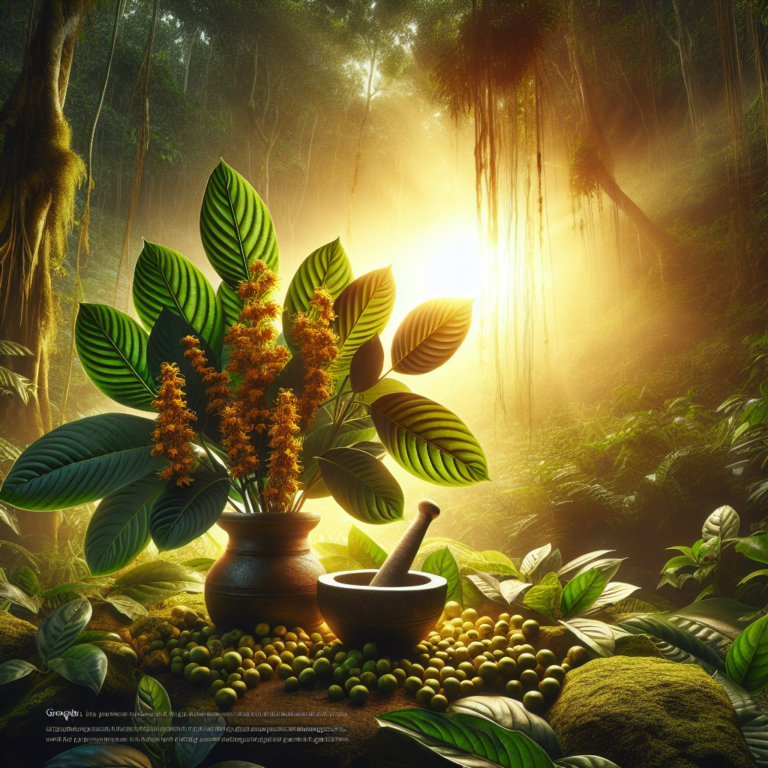
Understanding Kratom: A Cultural Overview in Southeast Asia
Kratom, or Mitragyna speciosa, is a tree native to Southeast Asia. This evergreen is primarily found in countries like Thailand, Malaysia, and Indonesia. For generations, local populations have used kratom for various purposes, from traditional medicine to recreational enjoyment.
This article explores the significance of kratom in Southeast Asian culture, its various uses, and the current perception surrounding it. Through this comprehensive look, we aim to shed light on how kratom fits into the lifestyle and traditions of those who live in this region.
The Origins of Kratom in Southeast Asia
Kratom grows well in Southeast Asia’s tropical climate. The leaves of the kratom tree have been harvested for centuries, primarily for their stimulant and sedative properties. In traditional settings, people chew the leaves, brew them in tea, or take them in powdered form.
Historically, workers consumed kratom to boost energy and stave off fatigue. Farmers and laborers relied on its stimulating effects to endure long hours under the sun. Consequently, its use became woven into the cultural fabric of the region.
Cultural Significance
In many Southeast Asian societies, kratom plays a significant role in communal and social activities. People often gather to share kratom teas or partake in discussions while enjoying its effects. This aspect of social bonding adds a layer of cultural importance to its usage.
In Thailand, for example, kratom has historical roots intertwined with social practices. Until recent years, it was widely accepted in local culture, demonstrating its extensive popularity. The tree, therefore, symbolizes not just a plant but a part of the communal lifestyle.
Medicinal Uses of Kratom
Kratom is often regarded for its medicinal properties. Locals utilize the plant to treat various ailments, such as chronic pain, anxiety, and even digestive issues. The leaves contain a range of alkaloids, notably mitragynine and 7-hydroxymitragynine, which have pharmacological effects.
Pain Relief
In many Southeast Asian countries, people have relied on kratom to alleviate pain. For those suffering from chronic conditions, kratom offers a natural alternative to pharmaceuticals. Many users report that kratom can be effective in managing pain without the severe side effects often associated with conventional medications.
Moreover, some studies suggest that the use of kratom may help individuals with opioid dependence. By providing mild euphoria without the harsh withdrawal symptoms, kratom offers a potential management tool for dependency issues.
Mental Wellness
Mental health is another area where kratom shines. Many in Southeast Asia use it to relieve symptoms of anxiety and depression. The calming effects can promote relaxation and enhance overall well-being.
However, it is essential to acknowledge that not everyone experiences the same benefits. While some find kratom helpful, others may face adverse effects. This discrepancy underscores the need for further research in this field.
Recreational Use of Kratom
Kratom’s popularity extends beyond medicinal uses. Many individuals also consume kratom for recreational purposes. The stimulating effects can produce increased energy and enhanced focus, making it appealing to a broader audience.
Varieties of Experience
The experience varies depending on the strain of kratom and the dosage. Lower doses often provide stimulating effects, while higher doses can lead to sedative and relaxing results. This versatility draws users from various backgrounds.
Social Gatherings and Events
Social gatherings often incorporate kratom into the mix. Whether during local festivals or casual meet-ups, kratom serves as a focal point for interaction. Many enjoy the shared experience it provides, enriching social bonds among friends and families.
The Current Legal Landscape
The regulation of kratom varies widely across Southeast Asia. Some countries have embraced its use, while others have placed restrictions or outright bans. Understanding these legalities is crucial for anyone interested in kratom.
Thailand
Thailand has a complex history with kratom. Once banned, recent years have seen a shift towards legalization and regulation. In 2021, Thailand officially legalized kratom, marking a significant turning point in its cultural acceptance.
This legal change allows for regulated cultivation and distribution, leading to potential economic benefits. It also opens the door for further research into kratom’s potential health benefits.
Indonesia
Indonesia is one of the largest producers of kratom in the world. The government appears more lenient regarding kratom’s use compared to others in the region. Nevertheless, there is ongoing dialogue about regulation, given the increasing international scrutiny.
Malaysia
In Malaysia, the situation is more restrictive. Kratom is classified as an illegal substance, and its use is largely discouraged. Awareness campaigns aim to inform the public about potential risks, reflecting the government’s cautious stance on the plant.
The Worldwide Interest in Kratom
Beyond its local significance, kratom has garnered attention on a global scale. Many people from countries outside Southeast Asia are discovering kratom and its potential benefits. This growing interest leads to increased demand and discussions about regulation.
Online Community and Education
The rise of online forums and communities has facilitated the exchange of information about kratom. Users share their experiences, advice on strains, and tips on usage. This interaction enhances understanding and promotes safe practices.
Legal Status in Other Countries
Kratom’s legal status varies significantly worldwide. In the United States, the plant is legal in many states, while some implement bans or restrictions. This variability creates a patchwork of regulations that can confuse potential users.
Balancing Risks and Benefits
As interest in kratom grows, so too do concerns about safety and potential risks. Misuse or overconsumption can lead to adverse effects. Therefore, it’s crucial for potential users to research thoroughly and understand both the benefits and potential downsides.
The Role of Kratom in Modern Southeast Asian Society
Today, kratom transcends its traditional roots. Its role has evolved as societies modernize. While it still serves as a cultural emblem in many communities, it also faces challenges and scrutiny.
Navigating New Realities
As Southeast Asia engages with a more globalized world, the conversation around kratom continues to change. Here, tradition meets modernity, and understanding its significance requires a careful examination of both perspectives.
The plant’s integration into contemporary life illustrates broader trends in how cultures adapt and evolve. Young adults, in particular, are more likely to explore kratom’s benefits, challenging traditional views while possibly reshaping its narrative.
Health and Policy Discussions
As kratom becomes more mainstream, discussions about health and policy become increasingly vital. Advocacy for awareness, safe consumption practices, and regulated access continues to grow, fostering an environment where informed choices can flourish.
Conclusion
Kratom holds a deep-rooted place in the cultural landscape of Southeast Asia. From aiding laborers in the fields to becoming a subject of global interest, it presents a unique story of adaptation and acceptance.
As societies navigate the complexities of tradition and modernity, kratom remains at the forefront of discussions about health, recreation, and culture. Its future, intertwined with trends in legalization and acceptance, promises to be just as fascinating as its past.
Understanding kratom requires recognizing both its historical significance and its resonance in contemporary society. As awareness grows and research unfolds, so too does the potential for kratom to find its place in a broader conversation about plant-based remedies and lifestyles.
Frequently Asked Questions (FAQs)
1. What is kratom?
Kratom, or Mitragyna speciosa, is a tropical tree native to Southeast Asia. Its leaves contain compounds that can produce stimulant or sedative effects.
2. How is kratom used?
Kratom is used in several ways, including chewing leaves, brewing tea, and taking it in powdered form.
3. Is kratom legal?
The legal status of kratom varies widely. In Southeast Asia, some countries have banned it, while others have legalized or regulate its use.
4. What are the effects of kratom?
Kratom can produce stimulant effects at low doses and sedative effects at higher doses. It may also alleviate pain and anxiety.
5. Are there side effects associated with kratom?
Yes, potential side effects include nausea, constipation, and increased urination. Some may experience dependency or withdrawal symptoms.
6. Can kratom help with opioid withdrawal?
Some studies suggest kratom may alleviate withdrawal symptoms for opioid users, though more research is needed to confirm this.
7. What types of kratom strains are available?
Common strains include Maeng Da, Bali, and Thai kratom. Each strain has different effects, ranging from energizing to relaxing.
8. Where can I buy kratom?
Kratom can often be found at local herbal shops or online vendors. However, ensure to research and choose reputable sources.
9. How should kratom be consumed?
Kratom can be consumed in various ways, such as brewing as tea, taking capsules, or mixing with food. Start with lower doses to understand your tolerance.
10. Is kratom safe to use?
Kratom is generally considered safe when used responsibly. However, individuals should consult healthcare providers and conduct thorough research before trying it.
References
- Kratom and its Uses
- The Historical Significance of Kratom
- Legal Status of Kratom in Southeast Asia
- Health Benefits and Risks of Kratom
About the Author