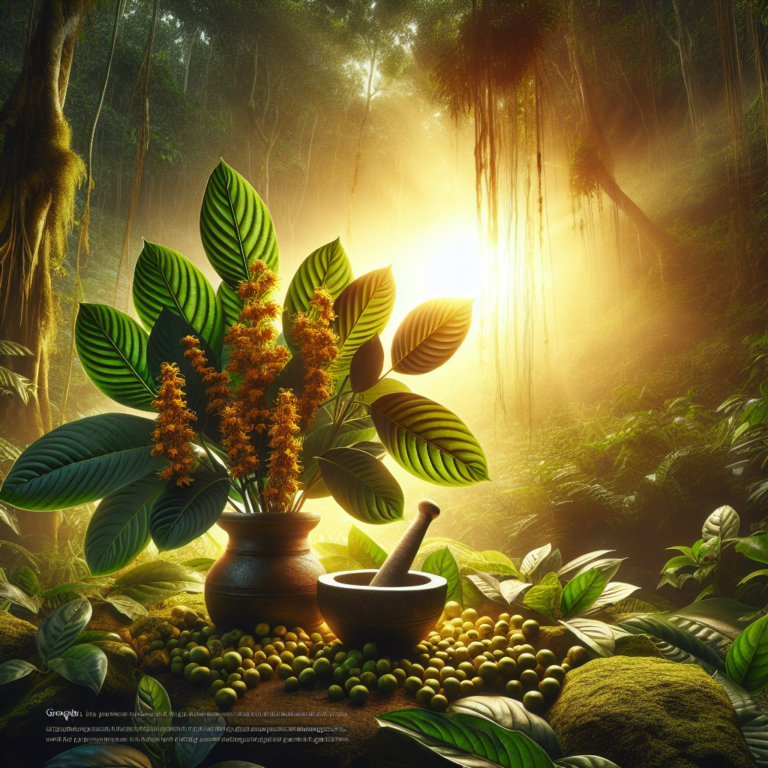
Understanding Bali Kratom
Kratom has gained popularity in various parts of the world for its potential benefits and unique qualities. Among the different strains, Bali Kratom stands out. This article explores where Bali Kratom comes from, its unique characteristics, and its cultural significance.
What Is Kratom?
Kratom, scientifically known as Mitragyna speciosa, is a tropical tree native to Southeast Asia. It belongs to the coffee family and has a long history of traditional use in countries like Thailand, Malaysia, and Indonesia. The tree can reach heights of up to 100 feet, sporting large, dark green leaves.
People commonly use kratom leaves for its stimulating and sedative effects. The effects vary based on the strain and the amount consumed. Users report feelings of euphoria, increased energy, and pain relief. Understanding the origins of specific strains, like Bali, can deepen your appreciation for this intriguing plant.
Origins of Bali Kratom
Bali Kratom gets its name from the island of Bali, one of Indonesia’s most famous tourist destinations. The island is known for its stunning landscapes, rich culture, and vibrant agriculture, which includes the cultivation of kratom. Farmers on Bali grow this plant in specific conditions that promote its unique properties.
The natural environment on Bali is crucial. The island has a tropical climate, with high humidity and ample rainfall. These conditions create an ideal growing environment for kratom trees. As a result, Bali Kratom boasts a rich alkaloid profile, making it popular among users.
The Unique Characteristics of Bali Kratom
Bali Kratom is renowned for its distinct qualities. Users often note its balanced effects, offering both relaxation and energy. Here are some key characteristics:
- Variety of alkaloids: Bali Kratom contains significant amounts of mitragynine and 7-hydroxymitragynine. These compounds interact with the brain’s receptors, producing their effects.
- Colors of the leaves: Bali Kratom comes in different vein colors—red, white, and green. Each color offers varying effects. For instance, red vein strains are known for their calming properties, while white vein strains can provide more energy.
- Sourcing and processing: Bali farmers harvest and process kratom leaves in a way that preserves their natural compounds, enhancing their potency.
Understanding these characteristics can help users select the strain that best meets their needs.
The Cultural Significance of Bali Kratom
In Bali and broader Indonesia, kratom has traditional uses that go beyond recreational consumption. Indigenous communities have used kratom leaves for centuries for various purposes. These include:
- Medicinal uses: Local practitioners have used kratom for pain relief, anxiety, and other ailments. This traditional knowledge has been passed down through generations.
- Social gatherings: Kratom is often consumed during social events. It can enhance feelings of connection and facilitate conversations among friends and family.
- Spiritual practices: Some communities incorporate kratom into rituals and ceremonies, viewing it as a tool for connecting with nature and fostering wellness.
This cultural framework enhances the value of Bali Kratom, giving it significance beyond its effects.
Growing Conditions for Bali Kratom
The cultivation of Bali Kratom requires specific growing conditions to thrive. Farmers take great care in selecting the right environment and maintaining proper practices. Here are some essential factors for successful cultivation:
- Climate: A tropical climate is ideal. Bali’s warm temperatures and humidity support healthy kratom growth.
- Soil: Well-draining, nutrient-rich soil is crucial. Farmers often use organic fertilizers to enrich the soil and enhance growth.
- Sunlight: Kratom trees prefer partial shade. Farmers strategically plant them where they receive filtered sunlight, ensuring the leaves develop an optimal alkaloid profile.
Farmers on Bali have perfected their techniques over generations, contributing to the unique qualities of Bali Kratom.
Harvesting and Processing Bali Kratom
The harvesting and processing of Bali Kratom are critical steps that ensure the quality and effectiveness of the product. Here’s an overview of the typical process:
-
Harvesting: Farmers typically harvest kratom leaves when they reach maturity, usually every few months. They hand-pick leaves for quality.
-
Drying: After harvesting, leaves need to dry. Farmers often lay them out in a shaded area to preserve their color and alkaloid content.
-
Grinding: Once dried, the leaves are ground into a fine powder. This powder can then be packaged for sale.
-
Quality control: Farmers and sellers often test their products for purity and potency. This step ensures that consumers receive high-quality kratom.
Understanding this process can help consumers appreciate the effort involved in producing Bali Kratom.
Different Strains of Bali Kratom
While Bali Kratom is a specific strain, it includes various sub-strains, each offering unique effects. Here’s a breakdown of the different types:
| Strain Type | Effects | Ideal For |
|---|---|---|
| Red Vein | Pain relief, relaxation | Stress relief and sleep |
| White Vein | Energy boost, increased focus | Daytime use, productivity |
| Green Vein | Balanced effects, mild pain relief, and energy | Socializing and relaxation |
Each strain serves different purposes. Recognizing these differences can help users select the right type for their needs.
Popular Products with Bali Kratom
Numerous products contain Bali Kratom, catering to various preferences. Here are some popular forms:
- Powder: The most common form, used for tea or smoothies.
- Capsules: Convenient for users who prefer precise dosing.
- Extracts: Concentrated forms that deliver stronger effects.
Finding the right product can depend on individual preferences. Each form has its advantages, so consider what suits you best.
Safety and Risks of Bali Kratom
While many people use Bali Kratom without issues, it’s essential to understand the potential risks. Here are some important points to consider:
- Dosage matters: Different doses can lead to varying effects. Low doses tend to be stimulating, while higher doses can be sedative.
- Potential side effects: Users may experience nausea, dizziness, or headaches, especially if they consume too much. Staying within recommended dosages is crucial.
- Regulatory landscape: Kratom legality varies by region. It’s vital to research local laws before purchasing or consuming kratom.
Being aware of these factors can help ensure a safer experience with Bali Kratom.
How to Use Bali Kratom
Using Bali Kratom can be a simple process if you know the appropriate methods. Here are some popular ways to consume it:
-
Tea: Steep kratom powder in hot water, adding sweeteners or lemon for flavor.
-
Smoothies: Blend with fruit and other ingredients for a nutritious drink.
-
Capsules: Swallow with water for an easy, no-mess option.
-
Tinctures: Use liquid extracts for fast absorption.
All these methods have their benefits. Choose one that aligns with your lifestyle and preferences for the best experience.
How to Select Quality Bali Kratom
With many products on the market, knowing how to choose high-quality Bali Kratom is essential. Here are some tips:
-
Source: Buy from reputable vendors who provide clear information about their products’ origins.
-
Reviews: Check customer reviews to gauge product effectiveness and vendor reliability.
-
Testing: Select products that have been lab-tested for purity and potency.
These steps can help safeguard your health and ensure that you enjoy the benefits of Bali Kratom.
The Future of Bali Kratom
As kratom gains global attention, Bali Kratom’s popularity continues to grow. Research into its effects and benefits is underway, promising exciting developments. Growing interest may lead to more regulation, enhancing safety and quality control in the industry.
While challenges exist, such as potential bans in some areas, the future looks promising. Enhanced understanding may pave the way for more sustainable practices and broader acceptance of kratom in health circles.
FAQs
1. What makes Bali Kratom different from other strains?
Bali Kratom is known for its balanced effects, combining pain relief with mild stimulation. Other strains may lean more towards energizing or sedating effects.
2. Can I use Bali Kratom every day?
While some people use it daily, it’s important to monitor your intake and take breaks to prevent tolerance buildup.
3. Are there any side effects of Bali Kratom?
Possible side effects include nausea, dizziness, and headaches. Keeping your dosage within recommended limits usually helps minimize risks.
4. Where can I buy Bali Kratom?
You can purchase Bali Kratom from online retailers or specialized health shops. Always choose reputable sources.
5. Is Bali Kratom legal?
Legality varies by location. Check local laws before purchasing or consuming Bali Kratom.
6. What is the best method to take Bali Kratom?
The best method depends on personal preference. Tea and capsules are popular choices for convenience.
7. How long do the effects of Bali Kratom last?
Typically, effects can last between 3 to 6 hours, but this varies based on dosage and individual metabolism.
8. Can Bali Kratom be mixed with other substances?
Mixing kratom with alcohol or other drugs is not recommended due to potential interactions. Always consult a healthcare professional.
9. How should I store Bali Kratom?
Store kratom in a cool, dry place away from direct sunlight to maintain its potency.
10. Should I consult a doctor before using Bali Kratom?
If you have medical conditions or are taking medications, consulting with a healthcare provider is a good idea before starting any new supplement.
References
- https://www.healthline.com/health/kratom
- https://www.ncbi.nlm.nih.gov/pmc/articles/PMC6198231/
- https://www.kratom.org/research/
- https://www.dovepress.com/kratom-mitragyna-speciosa-ethnomedicine-pharmacology-and-therapeutic-uses-peer-reviewed-fulltext-article-TPR
This extensive exploration of Bali Kratom provides insights into its origins, effects, and safe use. With informed choices, users can enjoy the benefits this fascinating plant has to offer.
About the Author